Melbourne's weather has a reputation - and most of it is undeserved. Yes, locals joke about experiencing "four seasons in a day," and yes, that's genuinely possible in spring and autumn when a cool change can roll through after a warm morning. But day to day, Melbourne's climate is milder and far more liveable than the legend suggests. It's less about wild extremes and more about being changeable - which, once you know how to read it, is easy to plan around and part of what makes the city interesting.
In this guide: what "four seasons in a day" actually means, average temperatures month by month, how Melbourne compares to Sydney for rainfall, the best time of year to visit, what to pack, and answers to the questions people search most. Once you've got the weather sorted, our guide to 50 things to do in Melbourne will help you plan around it.
Updated September 2026
Is "Four Seasons in a Day" Really True?

The phrase gets thrown around a lot, and it's more myth than daily reality. Melbourne sits where a warm, dry inland airmass regularly meets a cool southerly blowing straight off the Southern Ocean and Bass Strait. When those two systems change places over a few hours - most commonly in spring (September-November) and autumn (March-May) - the temperature can swing 10-15 degrees, a clear morning can turn to rain by lunch, and a howling northerly can drop to a still, cool evening. That's the "four seasons in a day" locals talk about.
It doesn't happen every day, and it's rare in the depths of a stable winter or the middle of a settled summer stretch. The better description - and the one Melburnians actually live by - is that the weather is changeable, not extreme. Layers, not a single outfit, are the local's real strategy.
Melbourne's Four Seasons at a Glance
Summer (December-February): Warm and often glorious, with average days in the mid-to-high 20s and plenty of blue-sky beach and rooftop-bar weather. Occasional hot spells above 35C do arrive, usually followed by a sharp cool change.
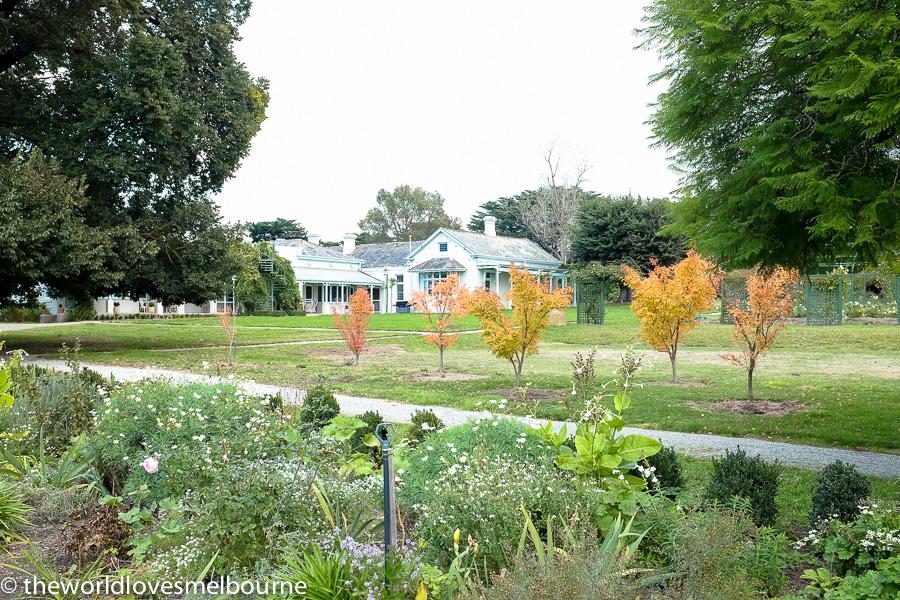
Autumn (March-May): Arguably Melbourne's best season - crisp mornings, mild days, and the Dandenong and Yarra Ranges turning colour. This is peak "four seasons in a day" territory, and a great time to build in one of our 11 best weekend getaways from Melbourne while the countryside is at its best.
Winter (June-August): Mild by most standards - rarely below freezing in the city - but grey, damp, and short on daylight. Think jumpers and boots rather than snow.
Spring (September-November): The other classic "four seasons" stretch - warming up fast but with cold snaps and sudden squalls well into October.
Average Maximum Temperatures for Melbourne
| Month | Average Max |
| January | 25.9C |
| February | 25.8C |
| March | 23.9C |
| April | 20.3C |
| May | 16.7C |
| June | 14.1C |
| July | 13.5C |
| August | 15.0C |
| September | 17.2C |
| October | 19.7C |
| November | 22.0C |
| December | 24.2C |
Melbourne vs Sydney: Rainfall
One thing that surprises visitors: Melbourne is drier than its reputation suggests. It receives roughly half the annual rainfall of Sydney, spread more evenly across the year rather than arriving in short, heavy bursts. That even spread is part of why Melbourne feels "changeable" - light rain and sun can trade places several times in a day - rather than genuinely wet.
What to Pack for Melbourne, Any Time of Year
Locals swear by layers and a compact umbrella regardless of the season. A light jacket or jumper for evenings even in summer, a scarf for winter that isn't heavy enough for genuine snow gear, and comfortable shoes that can handle a sudden downpour are the year-round essentials. If you're visiting in spring or autumn, pack for a 10-degree swing within the same day. It's also, conveniently, why wearing Melbourne black works in every season - it layers easily and hides a sudden downpour.
Planning where to stay or what to do with the family around the weather? Check our guides to Melbourne's best hotels and best family activities in Melbourne for options that work rain or shine.
Frequently Asked Questions About Melbourne Weather
Why does Melbourne have "four seasons in a day"?
Because it sits at the meeting point of warm inland air and cool southerly air off the ocean. When those systems swap places quickly, temperature, wind, and rain conditions can all shift within hours - most often in spring and autumn.
What is the best time of year to visit Melbourne?
Autumn (March-May) offers the most reliably pleasant mix of mild days and cool nights, with the added bonus of autumn foliage in the Dandenongs and Yarra Valley. Late spring (November) is a close second.
Does it snow in Melbourne?
Not in the city itself. Snow is reserved for the alpine regions a few hours' drive away, such as Mount Buller and Mount Hotham. Melbourne winters are mild, wet, and grey rather than snowy.
Is Melbourne wetter than Sydney?
No - Melbourne receives roughly half of Sydney's annual rainfall, though it's spread more evenly through the year, which contributes to the perception of constantly changeable weather.
What should I pack for unpredictable Melbourne weather?
Layers, a light jacket, and a compact umbrella cover the vast majority of days, in any season.
Enjoy the weather in Melbourne!